Living in Iași for a Month on a Budget
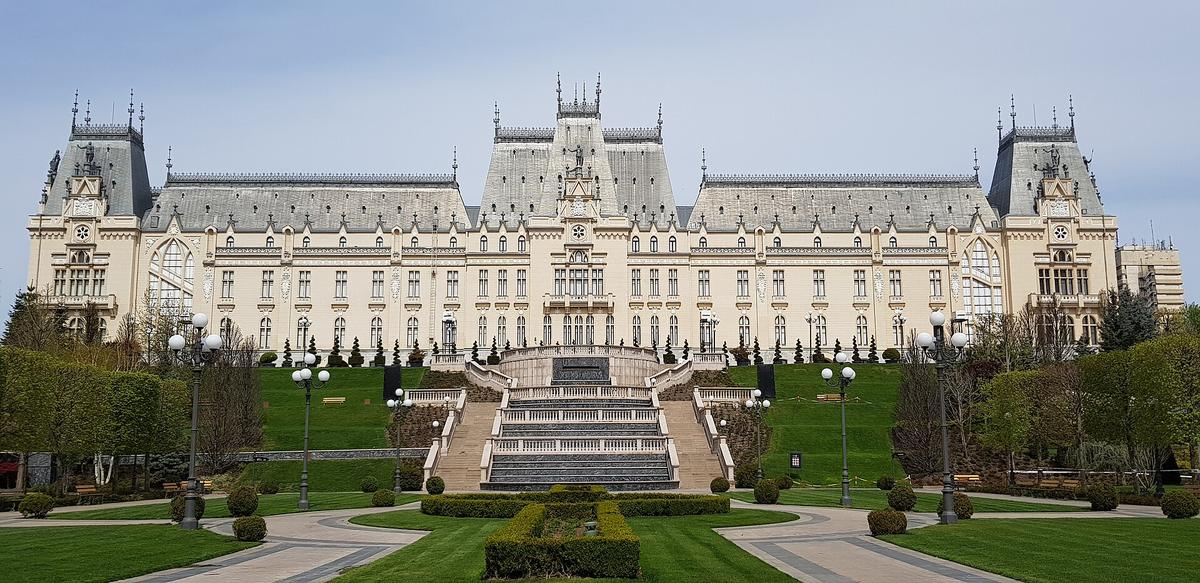
Iași delivers Romania's lowest thirty-day living costs, driven by student housing supply and Moldavia's lower wage floor, with apartment rents well below Bucharest or Cluj.
- Flag
-

- ISO code
- RO
- Population
- 378,954
- Currency
- RON
- Timezone
- Europe/Bucharest
Why Most People Get Iași Wrong, and What Makes it the Cheapest of Seven
The common assumption about Iași is that because it is the cheapest of Romania's seven largest cities, it must be the poorest in experience. That assumption is wrong. The cost mechanism is not a discount. It is a structural consequence. Iași has roughly 55,000 university students for a city population of 271,692. That student population drives a rental supply in August that undercuts Cluj-Napoca by 30 to 40 percent. The Moldavia region's average monthly net wage in 2024 was 4,250 RON, 300 RON below the national average of 4,550 RON. Restaurants price for local earnings, not for tourist demand. The line items tell the story.
Budget a thirty-day stay in August 2026. The numbers come from that month. The exchange rate from the National Bank of Romania on 22 August 2026 was 4.97 RON per euro. A one-room apartment in central Iași costs between 1,242 and 1,988 RON per month. Outside the centre, that drops to 895 to 1,491 RON. Two rooms in the centre run 1,740 to 2,734 RON. The rent band is the lowest among the seven cities, and the gap is widest in September when students compete for flats in Cluj and Bucharest but Iași's supply absorbs them without a spike.
Your rent is the biggest lever. Choose a flat in the Târgu Cucu zone or near the Palas shopping complex and you pay the lower end of the central band. Book through a local agency, not Airbnb, and you avoid the platform's service fees. A one-room central flat at 1,491 RON keeps you in the thick of the city. A flat outside the centre at 1,093 RON leaves you with the difference covering your entire public transport for the month plus fifteen coffees.

The Breakdown Line by Line
Fixed Monthly Costs
Start with the fixed monthly costs. A monthly public transport pass is 70 RON in 2026. That covers every bus, tram, and trolleybus in the city. You do not need a car. Your prepaid SIM with 50 to 100 GB from Orange or Digi costs 25 to 40 RON in 2026. A coworking hot desk at Fab Lab Iași or Coworking Iași runs 350 to 600 RON per month. A dedicated desk at Grafit Cowork or iHUB is 500 to 900 RON. If you work remotely, the hot desk plus the SIM plus the transport pass totals under 710 RON. That is less than a single weekend night in a Cluj hostel during Untold festival.
Variable Costs And Eating Out
Now the variable costs. Groceries for one person cooking at home in August 2026 run 600 to 900 RON per month. Use Kaufland or Lidl for staples, Auchan for bulk, Carrefour for the neighbourhood convenience stores. The meat and dairy sections are cheaper than Bucharest. The vegetable markets in Piața Alexandru or Piața Nicolina undercut supermarkets by 15 percent. Eating out resets the math. A meal in a mid-range restaurant costs 35 to 60 RON in 2026. A specialty coffee costs 12 to 18 RON. A local 500 ml beer in a bar costs 8 to 14 RON. The tipping custom is 10 percent, and it is not mandatory. Eat for 40 RON at restaurants that sit outside the central tourist corridor.
Compare the same basket in Bucharest. There you pay 50 to 80 RON for a mid-range meal. In Cluj you pay 55 to 85 RON. In Brașov you pay 45 to 70 RON. The gap comes from lower restaurant overheads in Moldavia. Rent for a restaurant space in Iași is roughly half what it costs in Cluj. Wages for kitchen and front-of-house staff match the regional 4,250 RON average in 2024, not the national average. The same business model that would break even at 55 RON per plate in Cluj works at 40 RON in Iași.
What You Actually Spend In Thirty Days
Here is a worst-case budget for a thirty-day stay. A central one-room apartment at 1,988 RON. Groceries at 900 RON. Ten restaurant meals at 50 RON: 500 RON. Thirty coffees at 15 RON: 450 RON. Fifteen beers at 12 RON: 180 RON. Coworking at 600 RON. Transport at 70 RON. SIM at 40 RON. Total: 4,728 RON. That is 952 EUR. A realistic budget with a cheaper apartment, fewer restaurant meals, and home cooking lands lower. In Cluj you would need 1,200 to 1,500 EUR for the same standard. Iași is the cheapest of the seven by a measurable margin, not a marketing claim.
One caveat on the wage data. The 4,250 RON figure is for Iași County from the National Institute of Statistics for 2024. It is the most recent official figure. The IT sector employs about 6 percent of the county workforce, with companies like Amazon, Endava, and Bitdefender operating in the city. Those workers earn above the county average, which pushes the headline number up. Exclude IT, and the remaining wage base is lower. That is the real reason prices stay flat.
The Rental Mechanism and Student Demand
How The Academic Calendar Controls Rent
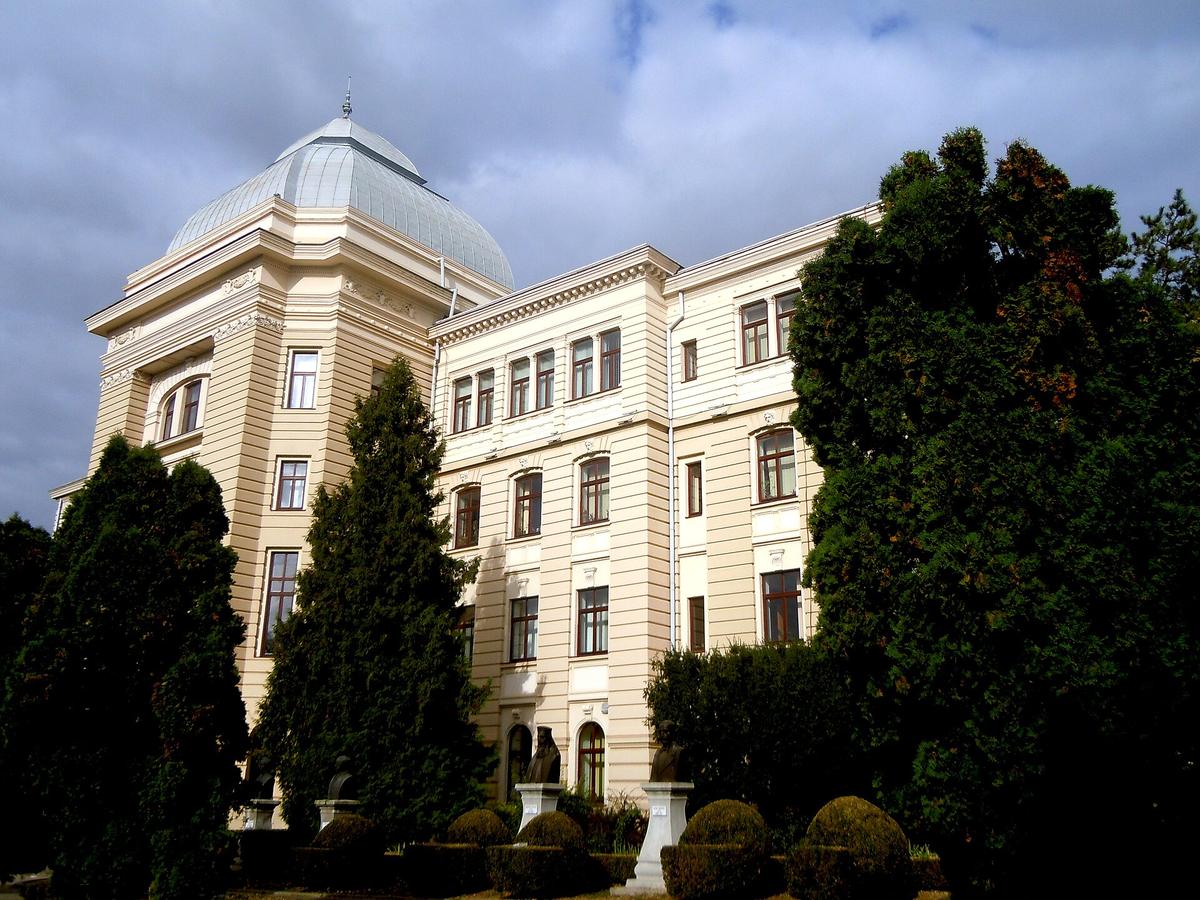
Rents in Iași move with the academic calendar, unlike any other Romanian city except Cluj. The university was founded in 1860. It is the oldest in Romania. In the 2023 to 2024 academic year, the student population was approximately 55,000. That is one student for every five residents. Landlords compete for tenants in August and September, then again in January. The rest of the year the market softens. Arrive in November and you negotiate a one-room flat in the centre for 1,242 RON. That same flat in February rents for 1,392 RON. The August 2026 rates already reflect the student surge, so they are the peak. Outside the academic year, subtract 15 to 25 percent.
Coworking And The Local Wage Ceiling
The concentration of students also keeps the coworking sector competitive. Four spaces operate in the city: Fab Lab Iași, Coworking Iași, Grafit Cowork, and iHUB. A hot desk at 350 to 600 RON per month is priced for a graduate student's budget. In Cluj, a hot desk runs 700 to 1,100 RON. The difference is not quality. It is the local wage ceiling. Landlords and coworking operators in Iași know they cannot charge above what a local IT professional or academic can pay. That ceiling is firm.
What Iași lacks compared with Cluj-Napoca is revealing. No international airport hub status. Fewer direct Western European flights. Smaller venture capital presence. Fewer English-language cultural events. No Untold-scale festival. A weaker startup ecosystem density. Those absences are precisely why costs stay low. The premium you pay in Cluj is for venture capital networking and festival tickets you may not use. Iași gives you the university energy without the hype markup.

A Realistic Warning About Living Cheaply
The Tradeoffs You Accept
The honest caveat is that cheapness comes with tradeoffs. The average January low temperature in Iași is -6 degrees Celsius. The record low is -30.6 degrees Celsius. The coldest month is January. Rental contracts typically include heating from October to April, but not all buildings maintain the same standard. Old central flats with single-glazed windows cost less but cost more in heating. Budget for that if you stay through winter.
Iași lacks some of the polish other cities have. The sidewalks in residential areas are blocked by parked cars. Pedestrian crossings are not respected by drivers. Public toilets are scarce and cost 2 to 3 RON in cash. The airport is a small regional hub. The direct scheduled destinations from Iași International Airport in summer 2026 include London Luton, Rome Ciampino, Milan Bergamo, Brussels Charleroi, Paris Beauvais, Barcelona, Madrid, Dublin, Vienna, Tel Aviv, Larnaca, Istanbul, and Bucharest. That is a solid list for a city of 271,692 people. It is not the connectivity of Bucharest's Henri Coandă Airport.
If you need a polished pedestrianized old town, skip Iași. If you need a 4 AM club scene, it exists but it is not the scale of Cluj. What Iași offers is a provable thirty-day cost that undercuts any of the other six cities by 25 to 40 percent, and a university rhythm that makes it feel alive without the tourist crowds. That is the deal. Take it for what it is.
Common Questions
How much does a one-room central apartment cost in August 2026?
Between 1,242 and 1,988 RON, based on the 22 August 2026 exchange rate of 4.97 RON per euro. The band is 30 to 40 percent below the Cluj-Napoca equivalent.
What is the cheapest way to get from Iași airport to the centre?
Bus fare is 3.5 RON in 2026 from Iași International Airport to the city centre. Taxi costs 35 to 50 RON. Bolt or Uber operate in the city. Avoid unmetered taxis.
Can I reach a painted monastery from Iași in a day trip?
Yes. The nearest is Probota Monastery at 65 km by road. Voroneț is 150 km. Eight UNESCO painted churches of Moldavia lie within a 200 km radius. Allow a full day for any beyond Probota.
Is Iași cheaper than Bucharest for a long stay?
Yes. Rent in central Iași is 1,242 to 1,988 RON versus 1,988 to 2,982 RON in Bucharest. Restaurant meals cost 35 to 60 RON versus 50 to 80 RON. The total monthly cost is 20 to 30 percent lower.
Read next
-
 Aparthotels and Long-Stay Rates When a Bucharest Hotel Beats a Flat
-
 Where to Base Yourself in Romania for a Month City by City Breakdown
-
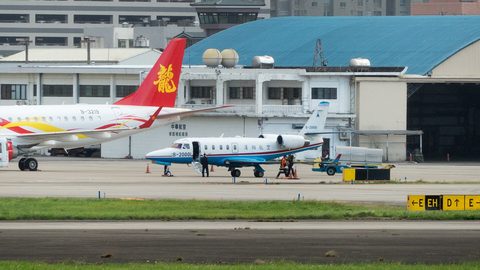 Flying Into Romania for a Month Otopeni Low Cost Carriers and the Wizz Factor
Flying into Romania for a month means luggage rules and route frequency matter more than a headline fare. OTP, Wizz Air, and the real cost of a 30-day return.
Flying Into Romania for a Month Otopeni Low Cost Carriers and the Wizz Factor
Flying into Romania for a month means luggage rules and route frequency matter more than a headline fare. OTP, Wizz Air, and the real cost of a 30-day return.
-
 Weekends in Bucharest When You Are Not Leaving After Three Days
-
 The Romanian Year for a Month-Long Stay Including the Ugly Parts
-
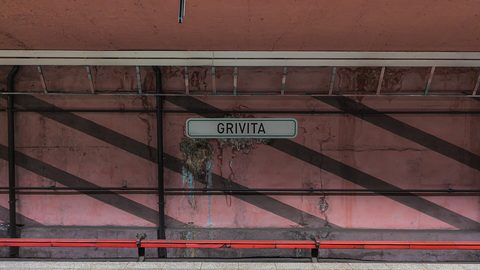 Getting Around Bucharest for a Month Transit Passes Trains and the Car Question
-
 Romania Digital uPhone Visa Who It Is For and What It Requires
Romania's digital nomad visa ties its income threshold to a multiple of the national average wage, restated annually, and requires specific documents for a two-stage application process.
Romania Digital uPhone Visa Who It Is For and What It Requires
Romania's digital nomad visa ties its income threshold to a multiple of the national average wage, restated annually, and requires specific documents for a two-stage application process.
-
 Romania Internet Speed and Getting a Local SIM for a Month
Romania's internet is fast and cheap, but a 30-day stay needs the right SIM. Compare Digi and Orange prepaid plans at OTP airport with current prices and GB caps.
Romania Internet Speed and Getting a Local SIM for a Month
Romania's internet is fast and cheap, but a 30-day stay needs the right SIM. Compare Digi and Orange prepaid plans at OTP airport with current prices and GB caps.
-
 Bucharest Coworking Desk Prices and Where to Find Them in 2025
A month of coworking in Bucharest costs less than a week in Western Europe. Compare hot-desk and dedicated-desk prices in Calea Victoriei, Floreasca, and Cotroceni.
Bucharest Coworking Desk Prices and Where to Find Them in 2025
A month of coworking in Bucharest costs less than a week in Western Europe. Compare hot-desk and dedicated-desk prices in Calea Victoriei, Floreasca, and Cotroceni.