Driving the Transfăgărășan Without Your Own Vehicle
The Transfăgărășan opens when the snow clears, usually late June, and you can drive it without a car via a guided tour from Brașov or a bus-and-walk strategy from Curtea de Argeș.


Seeing the Transfăgărășan Without Your Own Vehicle
Most travellers assume the Transfăgărășan is a summer drive you do from behind your own steering wheel. They search for car hire rates, check fuel prices, budget for a rental. Wrong first step. The road, officially DN7C, runs 151 km of asphalt across the Făgăraș Mountains. The high mountain stretch, roughly 90 km from Bâlea Cascadă to Piscul Negru, closes every winter and reopens only when snow clearance finishes. In 2025 you do not need a car to drive it. You need a tour, a bus, and a willingness to hitch a specific, unglamorous ride. Here is exactly when the road will open and how to get behind the wheel of something that moves along it even when you own nothing.
When the Transfăgărășan Opens in 2025
The opening date depends on snow. The road authority, Compania Națională de Administrare a Infrastructurii Rutiere (CNAIR), clears the high section each spring. Snow depth at Bâlea Lake, elevation 2,034 m, can exceed five metres in April. The opening window runs from late June to mid July. In 2024 the road opened on 20 June. In 2023 it opened on 1 July. For 2025, book no travel before 25 June and expect a window of 25 June to 5 July. Plan your trip for the first week of July. The road then stays open until October, when the first heavy snowfall forces closure, usually by mid October. Check CNAIR's official social media feed in the week before you leave. They post the exact date about 48 hours ahead.
What Closes and What Stays Open in Winter
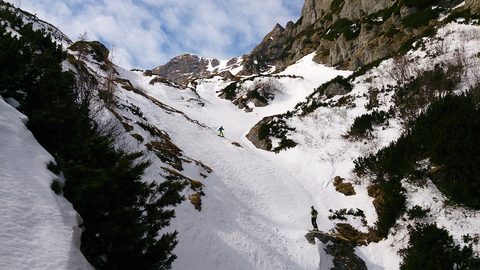
The winter closure point on the north side is Bâlea Cascadă, approximately km 116. On the south side it is Piscul Negru, approximately km 104. The stretch between those two points, including the Bâlea Tunnel at 2,042 m, is impassable from October to late June. You can still reach Bâlea Lake in winter. Take the Bâlea Cable Car. The lower station sits at Bâlea Cascadă, 1,234 m, and the upper station delivers you to the lake at 2,034 m. The cable car runs year round, weather permitting. A one-way ticket costs 50 RON and a return costs 80 RON at the 2025 rate. The operator is Primăria comunei Cârțișoara. It is a direct, functional lift, not a scenic gondola. Ride it to see the frozen lake, not for comfort.
- Route: DN7C Transfăgărășan
- Total Length: 151 km; high section approx. 90 km
- Highest Point: 2,042 m at Bâlea Tunnel
- Typical Opening Window: Late June to October
- Winter Closure Points: North: Bâlea Cascadă (km 116); South: Piscul Negru (km 104)
- Speed Limit: 40 km/h on high section
- Cable Car Return Ticket (2025): 80 RON
- Road Authority: Compania Națională de Administrare a Infrastructurii Rutiere (CNAIR)
How to Drive the Transfăgărășan Without a Car
You have two practical options and one budget workaround. None involve renting a car. That is the point.
Guided Day Tours From Brașov or Sibiu
Book a guided day tour from Brașov or Sibiu. These are the two nearest cities with reliable departures. Brașov is 2.5 hours by train from Bucharest; Sibiu is about 3 hours. A tour picks you up from your hotel around 07:00, drives the Transfăgărășan north to south or south to north, stops at Bâlea Lake, the Bâlea waterfall, Vidraru Dam, and Poenari Fortress, and returns you by 19:00. The price in 2025 ranges from 250 to 350 RON per person, depending on group size and whether lunch is included. Book through a reputable operator in Brașov or Sibiu, not through a third-party platform. Check that your tour includes the Poenari Fortress entry fee of 10 RON, paid separately at the site. The tour van is comfortable, the driver knows the road, and you do not have to navigate the 27 hairpin turns on the southern side yourself. That is the main advantage. The disadvantage: you follow a schedule. You cannot linger at Bâlea Lake if the light is good. You cannot skip the dam if you find it dull.
The Bus and Hitch Workaround
Budget travellers use a bus-and-hitch method. It works. It is not glamorous. Take a morning bus from Brașov or Sibiu to the village of Cârțișoara or to the Bâlea Cascadă cable car station. The bus drops you at the winter closure point. From there, you need a ride up the remaining 11 km of road to Bâlea Lake. Cars stop for hitchhikers because the road is remote and drivers expect walkers. The reality: you wait. You wait on the shoulder of a winding mountain road with patchy mobile coverage. You wait in drizzle or bright sun. Vehicles over 3.5 tonnes are banned, so you are stuck with passenger cars. Most drivers are Romanian families on a day trip. They may speak no English. They will expect you to be brief. The ride is free. The cost is your time. Expect a 30-minute to 90-minute wait at the roadside. Once at Bâlea Lake, walk the high section southward, or find another ride down the southern side to Vidraru Dam and onward to the nearest bus stop on the Curtea de Argeș road. This is not a romantic adventure. It is a logistical puzzle with a fair chance of getting wet. Do it only if your budget is under 100 RON for the entire day.
What You Actually See on the Drive
The road passes Bâlea Lake, a glacial lake at 2,034 m with a surface area of 4.65 hectares and a maximum depth of 11.35 m. The lake sits just below the Bâlea Tunnel. From there you descend past roughly 25 hairpin turns on the northern side and 27 on the southern side. The Vidraru Dam rises 166 m with a crest length of 307 m and a reservoir capacity of 465 million cubic metres. Poenari Fortress requires 1,480 concrete steps from the roadside. The fortress dates from the 13th century and was the principal stronghold of Vlad III, known as Vlad Țepeș, in the 15th century. The entry fee is 10 RON at the 2025 rate. The dam viewing platform is free.
What it Costs and What to Budget for
A guided tour at 250 to 350 RON is the sane choice for most visitors. If you insist on the bus-and-hitch method, budget 20 to 40 RON for the bus from Brașov or Sibiu to the cable car station, 50 RON for a one-way cable car ticket if you use it, and 10 RON for the fortress. You will also need cash. The currency is Romanian Leu, RON. Euro is not accepted for tolls, fuel, or tickets. The road surface is asphalt but frost-damage patches are common early in the season. Mobile signal is intermittent on the high stretch. You get reception at Bâlea Lac and near the Bâlea Tunnel, but not in the tight switchbacks between them. Download offline maps before you leave the city.
Traffic and Timing
Summer weekends bring heavy congestion between Bâlea Cascadă and Bâlea Lac, especially around midday. Tour buses, rental cars, and motorcycles queue for parking at the lake. Go on a weekday. Start early. A 07:00 departure from Brașov or Sibiu puts you at Bâlea Lake by 09:30, before the crowds. The speed limit on the high stretch is 40 km/h. Drivers obey it because the narrow road offers no margin for error. The entire high stretch takes about 90 minutes of driving time. Allow two to three hours with stops and traffic.


An Honest Caveat
The Transfăgărășan is famous. It appears on lists of the world's best driving roads. It is also a military road built between 1970 and 1974 on the order of Nicolae Ceaușescu after the 1968 Warsaw Pact invasion of Czechoslovakia. The official construction death toll is 40 workers; unofficial estimates reach several hundred. The road was not built for tourism. The surface is narrow, the viaducts number 27, and the single tunnel at 884 m long is unlit in places. If you expect the polished experience of an Alpine pass, adjust your expectations. This road is raw, unfinished in feeling, and surrounded by landscape that dwarfs everything on it. That rawness is the point. Drive it because you want to go somewhere difficult, not because you want a scenic cruise. The car-free options work. The road opens in late June. You do not need a car. You need a plan.
Common Questions
When exactly does the Transfăgărășan open in 2025?
The road opens between 25 June and 5 July 2025, depending on snow clearance by CNAIR. Book travel for the first week of July and check CNAIR's official feed 48 hours before departure.
Can I drive the Transfăgărășan without a rental car?
Yes. Book a guided day tour from Brașov or Sibiu for 250 to 350 RON per person, or use the bus-and-hitch method from Cârțișoara for under 100 RON.
How much does a guided tour cost?
A guided day tour from Brașov or Sibiu costs 250 to 350 RON per person in 2025, depending on group size and whether lunch is included.
Is hitchhiking safe on the Transfăgărășan?
Hitchhiking on the high stretch is common and reasonably safe because the road is remote and drivers expect to see walkers. The real cost is waiting time, 30 to 90 minutes, and possible poor weather.
What is the entry fee for Poenari Fortress?
The entry fee for Poenari Fortress is 10 RON at the 2025 rate, paid at the site in cash.
Does a public bus run on the high section of the Transfăgărășan?
No public bus service runs on the high mountain stretch of the Transfăgărășan. You must use a tour, a private vehicle, or a combination of bus and hitch.
When does the road close for winter?
The Transfăgărășan closes in mid October when the first heavy snowfall arrives. The northern closure is at Bâlea Cascadă, the southern at Piscul Negru.
Read next
-

 Bran Castle
 is not Dracula's castle, but a 14th-century customs fort restored by Queen Marie—know what you are paying for before the bus from Brașov.
Bran Castle
Bran Castle is not Dracula's castle, but a 14th-century customs fort restored by Queen Marie—know what you are paying for before the bus from Brașov.
-
 Aparthotels and Long-Stay Rates When a Bucharest Hotel Beats a Flat
-
 Where to Base Yourself in Romania for a Month City by City Breakdown
-
 Flying Into Romania for a Month Otopeni Low Cost Carriers and the Wizz Factor
Flying into Romania for a month means luggage rules and route frequency matter more than a headline fare. OTP, Wizz Air, and the real cost of a 30-day return.
Flying Into Romania for a Month Otopeni Low Cost Carriers and the Wizz Factor
Flying into Romania for a month means luggage rules and route frequency matter more than a headline fare. OTP, Wizz Air, and the real cost of a 30-day return.
-
 Weekends in Bucharest When You Are Not Leaving After Three Days
-
 The Romanian Year for a Month-Long Stay Including the Ugly Parts
-
 Getting Around Bucharest for a Month Transit Passes Trains and the Car Question
-
 Working Romania for a Month What a 30-Day Stay Actually Costs and Needs
Romania for thirty days means pricing life in RON, not euros, and understanding a visa threshold that shifts with the national wage. Here is the real monthly picture.
Working Romania for a Month What a 30-Day Stay Actually Costs and Needs
Romania for thirty days means pricing life in RON, not euros, and understanding a visa threshold that shifts with the national wage. Here is the real monthly picture.
-
 Romania Digital uPhone Visa Who It Is For and What It Requires
Romania's digital nomad visa ties its income threshold to a multiple of the national average wage, restated annually, and requires specific documents for a two-stage application process.
Romania Digital uPhone Visa Who It Is For and What It Requires
Romania's digital nomad visa ties its income threshold to a multiple of the national average wage, restated annually, and requires specific documents for a two-stage application process.