Romania Workation Internet Backup Plans Beyond Cafe WiFi
A practical guide to Romania Workation Internet Backup Plans Beyond Cafe WiFi.

Why a backup plan matters even in a high speed country
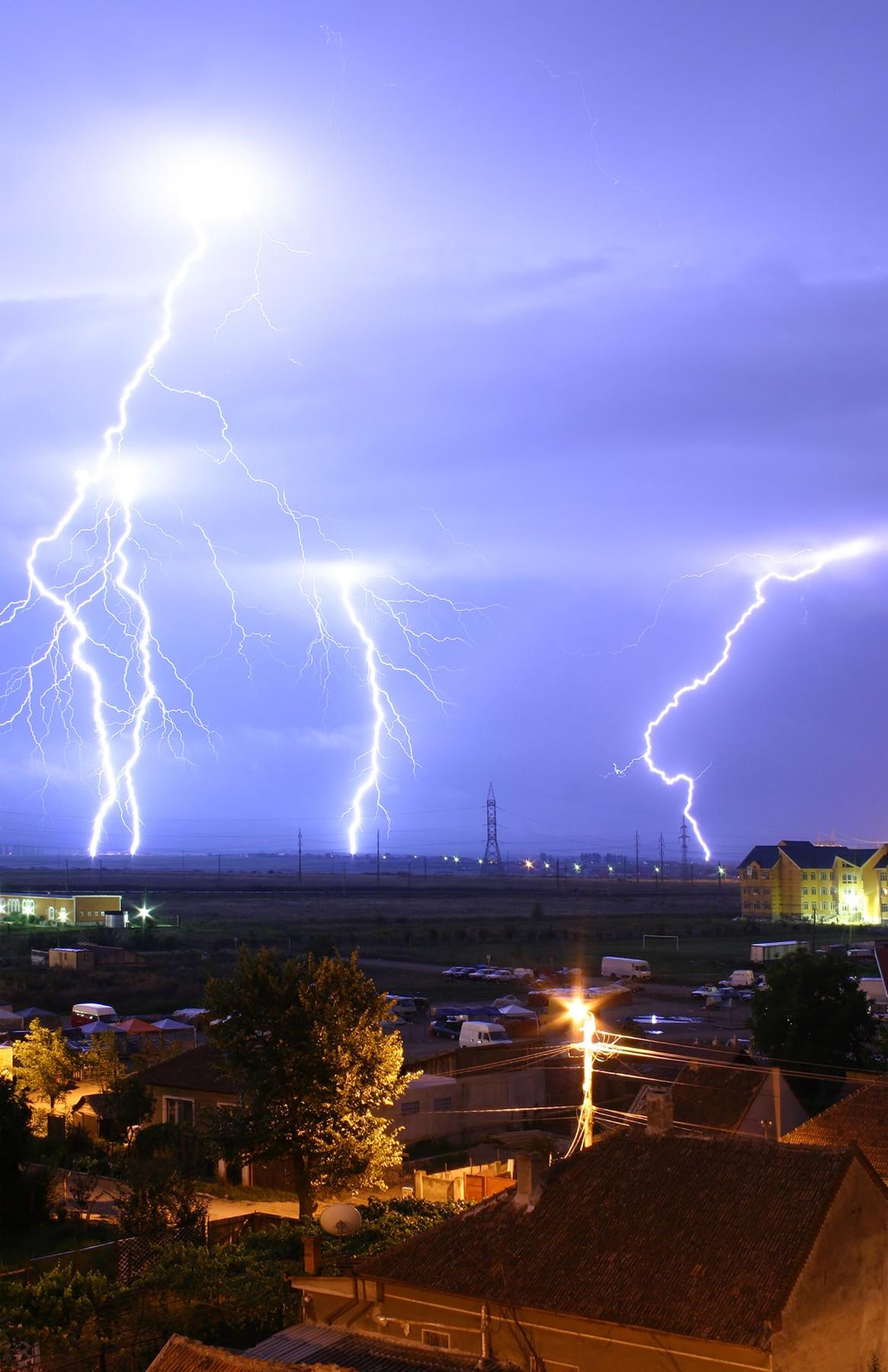
Romania routinely tops European broadband charts, and the national telecom regulator ANCOM reports that over 93% of Romanian localities are covered by fibre optic networks capable of delivering at least 1 Gbps download speeds. That statistic can lull a visiting remote worker into a false sense of security. A reliable connection in the capital or a university city does not guarantee the same experience in a restored Saxon village, a Danube Delta guesthouse or a forest cabin in the Carpathian arc.
ANCOM has identified 1,635 localities, concentrated in counties such as Alba, Hunedoara and Caraș Severin, where broadband of at least 100 Mbps is either absent or only partially available. A workation itinerary that mixes well connected hubs with rural escapes needs a deliberate connectivity strategy. Even in fibre rich areas, a single building may lack a live drop, a router can fail during a storm, or a café network can buckle under lunchtime load. The following sections outline backup approaches that go beyond hoping the nearest café WiFi holds up.
Check fixed line reality before you book the stay
Romania had over 7 million fixed internet connections by the end of 2025, and four in ten of those were Gigabit capable. Digi held a 74% market share by number of connections, so a rental apartment or guesthouse is statistically likely to use its infrastructure. That does not guarantee the host has chosen a high tier plan or installed a competent router, but it raises the floor considerably compared with many other European countries.
ANCOM publishes an interactive map at locality level that shows fixed broadband coverage, including fibre to the home and building. Before committing to a booking, a remote worker can enter the specific address on the ANCOM VHCN map and see whether the street is served by a very high capacity network. This step is especially important in the 1,635 localities flagged as having no or partial access to 100 Mbps broadband. If the map shows fibre availability, the next move is to ask the host directly what speed tier they subscribe to and whether the router sits in the same room as the workspace. A property that checks both boxes reduces the need for a backup, but it does not eliminate it.


Build a mobile hotspot safety net with local SIMs
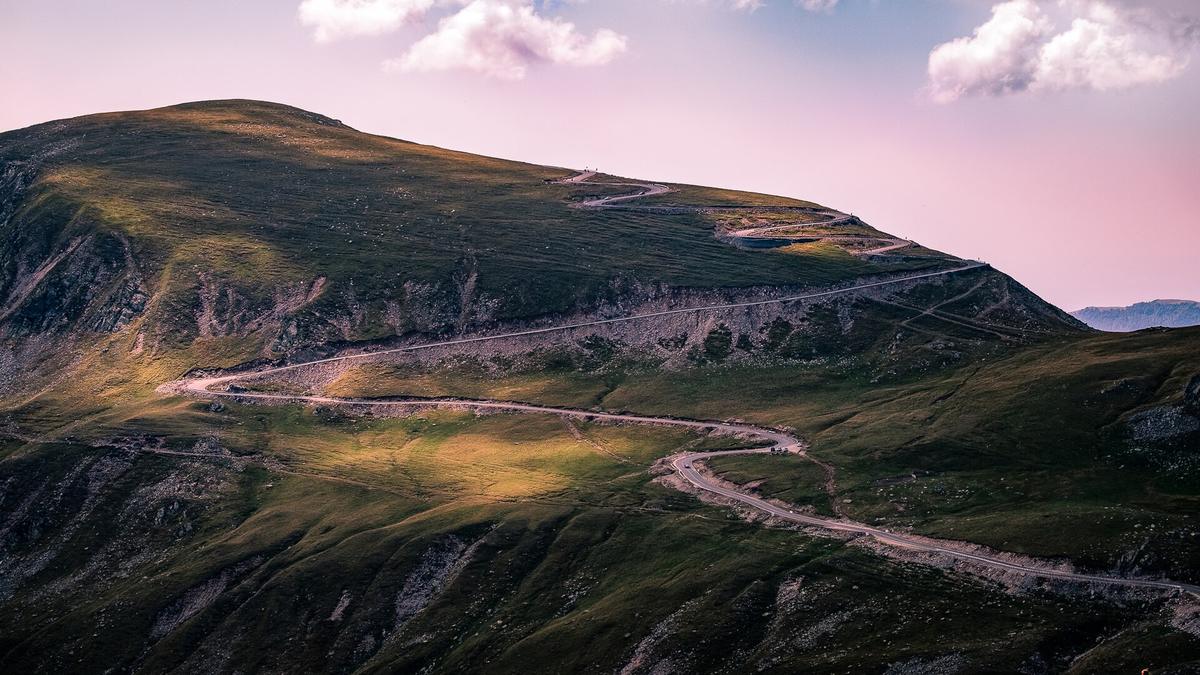
Romania had 21.8 million active mobile internet connections as of mid 2025, with 18.7 million of those on 4G or 5G networks. 4G still carried 92% of all mobile internet traffic, so a visitor does not need a 5G device to get a workable connection. The national average mobile download speed measured by ANCOM in 2025 was 68 Mbps, though operator choice changes the experience considerably. Orange led with an average of 97 Mbps, while Vodafone and Digi recorded 58 Mbps and 52 Mbps respectively.
Prepaid SIMs are inexpensive and widely available. Orange Romania offers a prepaid product that, with a 5 euro top up, provides 250 GB of national data and 2,000 minutes over 28 days; a 6 euro tier delivers uncapped national data at 5G speeds for 30 days. Digi Mobil sells a prepaid option starting at 2.5 euros for 100 GB of national data and 300 minutes over 30 days, with a 5 euro tier offering uncapped data and unlimited national calls. Both products are documented by independent SIM guides, but prices and data allowances change frequently. The prudent approach is to check the current offer on the operator's own website before purchase.
The mobile market consolidated in 2025 and 2026 after Telekom Romania Mobile was split and absorbed. Vodafone took the postpaid base and infrastructure, while Digi took the prepaid base and spectrum. For a short term visitor buying a prepaid SIM, the practical choice is between Orange and Digi. Orange's speed advantage is measurable, but Digi's lower entry price may suit a traveller who needs only a backup connection rather than a primary link. Carrying two SIMs from different operators is a reasonable hedge if work cannot tolerate a half day outage.
Satellite internet as a location independent fallback
Starlink is available across the entire territory of Romania as of 2026. Residential plans start at 149 lei per month for a 100 Mbps tier, with a 200 Mbps option at 199 lei and a Residential Max plan offering speeds up to 400 Mbps and beyond at 299 lei per month. All plans include unlimited data and a 30 day trial. For a workation lasting several weeks in a rural area without fibre, the economics can compare favourably with daily drives to the nearest town with a coworking space.
The hardware requires an unobstructed view of the sky. Trees, buildings and poles cause micro outages that disrupt video calls, VPN sessions and remote desktop connections. A garden or a flat roof with a clear northern horizon works well in the northern hemisphere. A balcony hemmed in by concrete walls does not. Before ordering, a remote worker should use the Starlink app to scan the intended mounting spot for obstructions. Plan prices and service availability at a specific address must be verified on the Starlink Romania website, because capacity can vary by cell even within a country listed as fully covered.
Coworking spaces as a deliberate backup layer
When a rental's connection fails and a mobile hotspot cannot sustain a full workday, a coworking space with its own dedicated infrastructure becomes the next line of defence. Two examples illustrate the range available.
In Brașov, the Digital Nomads Hub offers a dedicated gigabit connection with Ethernet ports. A day pass costs 15 euros plus VAT, and a monthly pass is 150 euros plus VAT, which at the Romanian rate of 21% brings the monthly total to approximately 181.50 euros. The Ethernet provision matters because it removes reliance on a shared WiFi channel that can become congested.
In Bucharest, betahaus operates four locations with 24/7 access. It uses dual optical connectivity drawn from independent sources, with total speeds reaching up to 2 Gbps. A daily pass is priced at 25 euros excluding VAT. The dual source design means a fibre cut on one provider's network should not take the space offline, a consideration that matters for someone who cannot afford a lost workday.
Coworking prices, opening hours and desk availability change. Confirming the current terms directly with each space before booking is essential. A remote worker planning a multi stop itinerary might identify the nearest coworking option to each accommodation in advance, even if they hope never to need it.
Putting the layers together for a workation itinerary
A layered connectivity plan for a Romania workation starts with verifying the fixed line at the accommodation via the ANCOM VHCN map. If the address shows fibre coverage, the primary connection is likely strong. If it falls within one of the 1,635 underserved localities, the primary plan shifts to mobile or satellite from day one.
The second layer is a prepaid SIM from Orange or Digi, chosen by comparing the operator's current published offer rather than relying on a guide's snapshot. A traveller staying more than a few days might activate both and test speeds at the accommodation before the first work call. The third layer is a Starlink unit for stays in truly remote locations, provided the site has a clear sky view. The fourth layer is a pre identified coworking space within reach, noted with its current day pass rate and opening hours confirmed directly.
None of these layers requires guessing. Each depends on a checkable source: the ANCOM map for fixed lines, the operator's website for mobile plans, the Starlink site for satellite availability, and the coworking space's own channels for access terms. Romania's infrastructure is genuinely strong, but the gaps are mapped and the tools to work around them are available to anyone who looks before they travel.
Sources and verification
- ancom.ro — Research source checked for this guide
- ancom.ro — Research source checked for this guide
- ancom.ro — Research source checked for this guide
- economica.net — Research source checked for this guide
- starlink.com — Research source checked for this guide
- starlink.com — Research source checked for this guide
Read next
-

 Aparthotels and Long-Stay Rates When a Bucharest Hotel Beats a Flat
-
 Where to Base Yourself in Romania for a Month City by City Breakdown
-
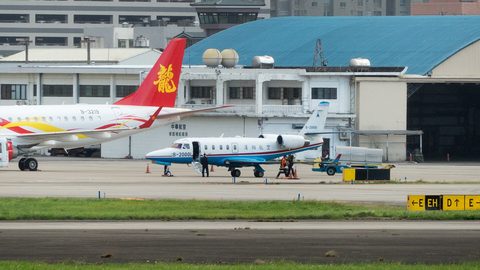 Flying Into Romania for a Month Otopeni Low Cost Carriers and the Wizz Factor
Flying into Romania for a month means luggage rules and route frequency matter more than a headline fare. OTP, Wizz Air, and the real cost of a 30-day return.
-
 Weekends in Bucharest When You Are Not Leaving After Three Days
-
 The Romanian Year for a Month-Long Stay Including the Ugly Parts
-
 Getting Around Bucharest for a Month Transit Passes Trains and the Car Question
-
 Cluj or Bucharest for a One Month Workation
A practical guide to Cluj or Bucharest for a One Month Workation.
-
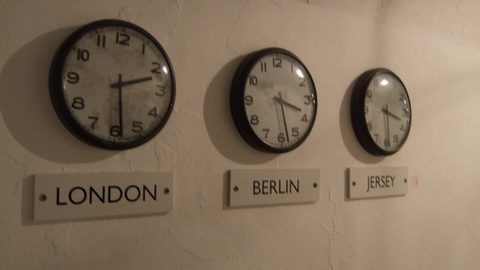 Bucharest Time Zone and Working Hours Overlap with Clients
Bucharest runs on EET and EEST, with daylight saving dates that don't always match the US. Map your working overlap with London, New York, and Sydney.
-
 Romania Tax Residency and the 183-Day Rule Explained
Romania's tax residency hinges on a 183-day test, a permanent home test, and a centre of vital interests rule. How the mechanism works for a 30-day stay.