EHIC, Private Clinics and What Insurance Is Actually For
A thirty-day stay in Bucharest sits in a grey zone: EHIC covers state care, but you will probably walk into Regina Maria in Dorobanți and pay cash.


Private GP Consultation at Regina Maria, Dorobanți, August 2026
At 1am on a Tuesday in Dorobanți, a blocked salivary gland does not care about your travel paperwork. You stand under the neon sign of a Regina Maria clinic, the 24-hour entrance lit, and a receptionist in blue scrubs asks for your passport and payment. A private GP consultation in Bucharest in August 2026. You pay it, the doctor speaks English, you get a prescription for an antibiotic that the Catena pharmacy around the corner dispenses without question, and you walk out 45 minutes later. The whole transaction took cash or card. No referral. No queue. That is the default system for any thirty-day visitor, and your European Health Insurance Card does not enter it.
What does a thirty-day visitor actually do when they need a doctor in Bucharest? How do EHIC, private clinic walk-ins, and travel cover divide the territory? The answer changes once you stay a month, not a week. You need three separate mechanisms, and they do not overlap the way most travellers assume.
What EHIC Actually Does in Bucharest
Your EHIC or GHIC is a key to the Romanian state system at the same terms as an insured Romanian resident. That means medically necessary care at a CNAS-funded public facility. It does not guarantee free care. Romania requires co-payments for some services, and the card entitles you to the same co-pay structure a local pays. The state system is underfunded. Public facilities face staff and equipment shortages. You can wait hours for a non-urgent consultation. Finding English-speaking staff is not guaranteed.
What It Covers
For a thirty-day trip, your EHIC covers a genuine crisis that lands you in a state hospital. Think a car accident or a severe infection requiring admission. It does not cover a private clinic walk-in. It does not cover repatriation. It does not cover mountain rescue or a dental check-up. It does not cover an MRI you schedule for convenience. If a Romanian insured resident would pay a co-pay for the treatment, you pay it. If the treatment is not available at the public facility within a reasonable timeframe, the card offers no route to the private system.
The practical use case is narrow: a serious incident where you are taken by ambulance (call 112) to a state hospital and stabilised. For everything else, you need private care and a travel policy.
Private Clinics as the Pragmatic Default
Every expatriate and long-stay visitor in Bucharest uses the private system. The three major networks are Regina Maria, MedLife, and Sanador. All operate 24/7 urgent-care departments in multiple locations. English is standard. You walk in, you pay, you get seen.
What You Pay in 2026
A private GP consultation costs 150 to 350 RON in August 2026, depending on the clinic tier and location. A specialist consultation costs 200 to 450 RON. An ultrasound scan runs 200 to 500 RON. An MRI without contrast for a single region costs 800 to 1,800 RON. A CT scan with contrast costs 600 to 1,400 RON. All prices are per episode. No pre-authorisation required.
The Regina Maria clinic in Dorobanți at Șoseaua București Ploiești 32 is the most convenient for visitors staying in the centre. Arrive, register at the desk, pay the consultation fee, and see a doctor within 30 to 90 minutes during standard hours. Outside standard hours, a surcharge of 50 to 100 percent applies. At 1am on a Tuesday, a GP consultation at Regina Maria was 320 RON in August 2026.
Dental Care and Pharmacies
Dental care is priced 50 to 70 percent below Western European rates. A zirconia crown costs 1,200 to 2,200 RON per unit. A dental implant costs 2,500 to 4,500 RON per implant. Bucharest clinics in Dorobanți and the centre cater to international patients. Walk in for a check-up, pay 200 to 350 RON, and get a cleaning and X-ray the same day. No appointment needed at most clinics, though calling ahead cuts the wait.
Pharmacies follow a different rule. Antibiotics and many prescription-only medications are routinely dispensed without a prescription despite the legal requirement. Enforcement is inconsistent. Catena, Sensiblu, Dona, and Help Net run 24-hour branches in major areas. The 112 operator can direct you to the nearest overnight pharmacy. Carry cash; card acceptance is standard at chains but small local pharmacies may not take it.
Failure Case: 1am, No Cover, No EHIC
You wake with a fever at 2am. You have no policy, your EHIC expired. Call 112. An ambulance takes you to a state hospital emergency room. You will be seen and stabilised. You will then be asked to pay for treatment that is not covered by any mechanism. A state hospital bill for an overnight stay with basic tests runs 1,000 to 3,000 RON. You pay it or arrange payment. The alternative: bolt to Regina Maria, pay 320 RON for the consultation, get a prescription, and leave with a bill under 500 RON total including the pharmacy. The private route is cheaper and faster for non-critical conditions.


What Travel Insurance Actually Pays for
A standard travel policy covering a 30-day trip pays for emergency medical evacuation, repatriation, and hospital admission costs at private or state facilities. It does not pay for walk-in GP consultations you decide to have. It does not reimburse a clinic fee for a sore throat. Check your policy wording: most define an emergency as a condition requiring immediate medical intervention. A non-urgent specialist consultation is not covered. You pay those costs yourself, then claim only if the condition escalates.
The cover is for the catastrophic event. A motorbike accident requiring a flight home. Appendicitis surgery. A 24-hour hospital stay at a private hospital where the bill runs high. The policy reimburses or settles directly. For the 150 to 450 RON consultation, you pay cash and you move on.
Digital uPhone Visa Requirements
If you are on a Romania digital uPhone visa, your cover requirement is different. You need a policy valid for the entire visa duration with minimum medical expense coverage of 30,000 EUR. Verify the threshold with the Ministry of Foreign Affairs for the current year. A standard single-trip holiday policy capping at 90 days does not satisfy the requirement. You need a uPhone-specific policy or a global health plan covering continuous stays up to 12 months.
Tax residency questions belong to an accountant. Do not confuse cover requirements with tax obligations.
Read next
-
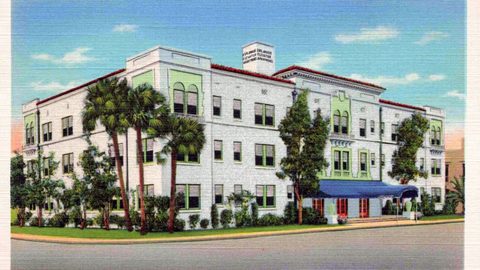
 Aparthotels and Long-Stay Rates When a Bucharest Hotel Beats a Flat
-
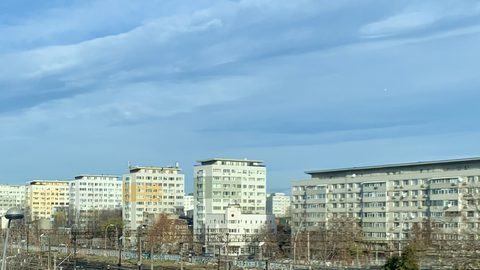 Where to Base Yourself in Romania for a Month City by City Breakdown
-
 Flying Into Romania for a Month Otopeni Low Cost Carriers and the Wizz Factor
Flying into Romania for a month means luggage rules and route frequency matter more than a headline fare. OTP, Wizz Air, and the real cost of a 30-day return.
Flying Into Romania for a Month Otopeni Low Cost Carriers and the Wizz Factor
Flying into Romania for a month means luggage rules and route frequency matter more than a headline fare. OTP, Wizz Air, and the real cost of a 30-day return.
-
 Weekends in Bucharest When You Are Not Leaving After Three Days
-
 The Romanian Year for a Month-Long Stay Including the Ugly Parts
-
 Getting Around Bucharest for a Month Transit Passes Trains and the Car Question
-
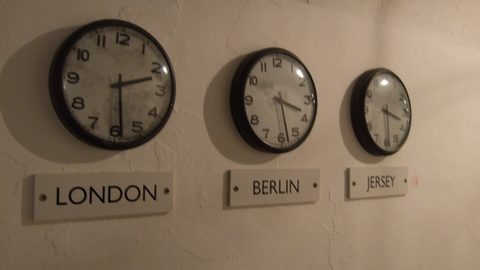 Bucharest Time Zone and Working Hours Overlap with Clients
Bucharest runs on EET and EEST, with daylight saving dates that don't always match the US. Map your working overlap with London, New York, and Sydney.
Bucharest Time Zone and Working Hours Overlap with Clients
Bucharest runs on EET and EEST, with daylight saving dates that don't always match the US. Map your working overlap with London, New York, and Sydney.
-
 Romania Tax Residency and the 183-Day Rule Explained
Romania's tax residency hinges on a 183-day test, a permanent home test, and a centre of vital interests rule. How the mechanism works for a 30-day stay.
Romania Tax Residency and the 183-Day Rule Explained
Romania's tax residency hinges on a 183-day test, a permanent home test, and a centre of vital interests rule. How the mechanism works for a 30-day stay.
-
 A Bucharest Winter Workation Is Dark, Cheap and Genuinely Productive
A thirty-day winter workation in Bucharest costs less than a summer week in Lisbon, with empty museums, deep-focus café days, and Therme's thermal pools as your office escape hatch.
A Bucharest Winter Workation Is Dark, Cheap and Genuinely Productive
A thirty-day winter workation in Bucharest costs less than a summer week in Lisbon, with empty museums, deep-focus café days, and Therme's thermal pools as your office escape hatch.